
Customer story · Hospitality & Travel
Forty-Nine Acres. WiFi Sank Fast. We Made It Sail.
MacRay Harbor, a 49-acre marina on Lake St. Clair near Detroit, replaced a decade-old WiFi 4 network delivering under 10 Mbps with Metro Wireless-designed WiFi 6 access points, 60 GHz backhaul and cloud management, completed in under three months.
About MacRay Harbor
MacRay Harbor is a marina on Lake St. Clair near Detroit, Michigan. The 49-acre campus offers more than 200 dock slips to seasonal members and transient boaters, hosts weddings and family nights out, and maintains a homeowners' association for its condo development. Boaters increasingly expect to stream, video-call and work remotely from their slips, which made reliable WiFi part of the harbor's core offering.

The challenge
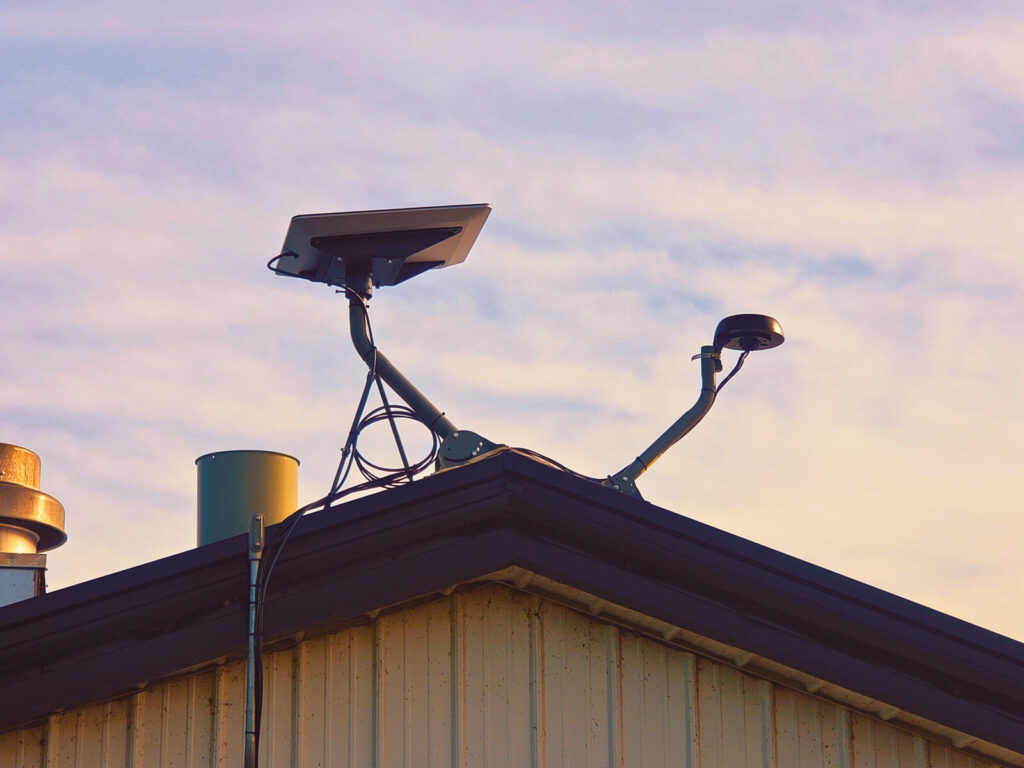
MacRay Harbor's WiFi network had been installed nearly a decade earlier and no longer met the needs of its users. The infrastructure relied on obsolete WiFi 4 hardware that could not support the bandwidth demands of modern usage such as HD streaming, video conferencing and remote work. Frequent outages and speeds below 10 Mbps frustrated users; on-site speed tests found most access points testing below 10 Mbps, with one result as low as 0.36 Mbps down and 0.23 Mbps up, and some boaters resorted to personal solutions such as Starlink to stay online.
The harbor also had no effective network management system. Without proactive monitoring tools, every technical issue was handled reactively, which prolonged downtime, and the network offered no monetisation capabilities. Ethernet connectors on the old network had literally fried.
These problems culminated in widespread user dissatisfaction, hurt the harbor's reputation and operational efficiency, and left boaters unable to work remotely or enjoy digital entertainment on board. Metro Wireless was tasked with designing, deploying and managing an upgraded network to fix the experience and support the harbor's operations.
The solution
Metro Wireless began with an infrastructure overhaul, upgrading the harbor's electrical and power systems to support the new WiFi infrastructure. Structured cabling work included installing waterproof, secure NEMA enclosures to prevent unauthorised disconnections and protect the reliability of the network.
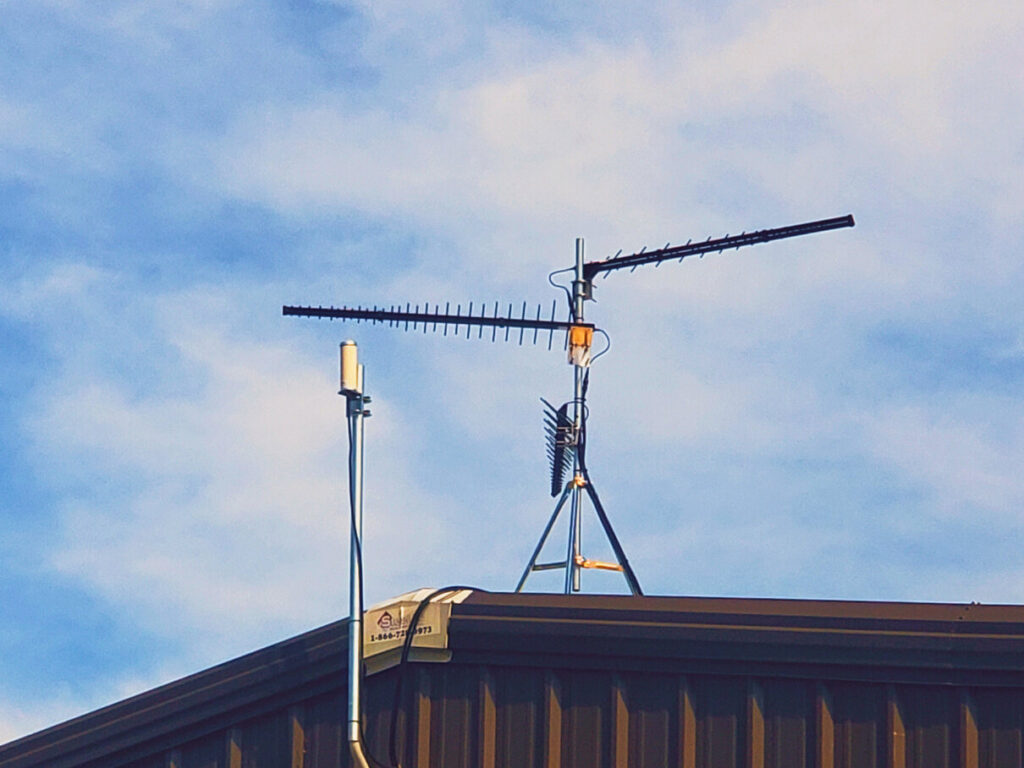
For coverage across the 49-acre campus, Metro Wireless installed Cambium XV2-23T outdoor WiFi 6 access points. These offer dual-band operation on 2.4 GHz and 5 GHz with 2x2 MU-MIMO technology, support up to 256 clients and 16 SSIDs per access point, and sit in rugged NEMA 4X-rated enclosures built for outdoor durability. New gigabit wireless backhaul using Cambium's cnWave 60 GHz system links the access points back to the core network.
Management moved to the cloud. Metro Wireless uses Cambium's cnMaestro X portal for centralised, proactive network management, giving real-time monitoring and troubleshooting, automated firmware updates, performance analytics, guest access management and integration with the cnWave backhaul. The system was designed with scalability in mind, using a modular design that can grow as the harbor's needs expand, and it gives MacRay the ability to offer a tiered monetisation model on its WiFi service.
From the initial discovery call through testing and go-live, the project was completed in under three months, aligned with the harbor's peak boating season.
The results
- Users immediately experienced faster speeds and reliable performance for streaming and video conferencing, up from sub-10 Mbps
- Proactive cloud monitoring drastically reduced downtime and maintenance needs, freeing harbor staff for other priorities
- WiFi can now be offered on a tiered monetisation model, turning a cost centre into a revenue-generating asset
- Modular system design supports future expansion, new areas and increased user demand
- Project completed in under three months, from discovery call to go-live, aligned with peak boating season
Get the full case study
Download the original document as published by Metro Wireless (PDF, 5.1 MB).
More customer stories
Results from similar engagements
Metro Wireless · Education
Detroit schools get 99.99% uptime with Metro Wireless fixed wireless
Read more
Metro Wireless · Education
Henry Ford College cuts phone costs with Metro Wireless SIP trunking
Read more
Metro Wireless · Healthcare & Life Sciences
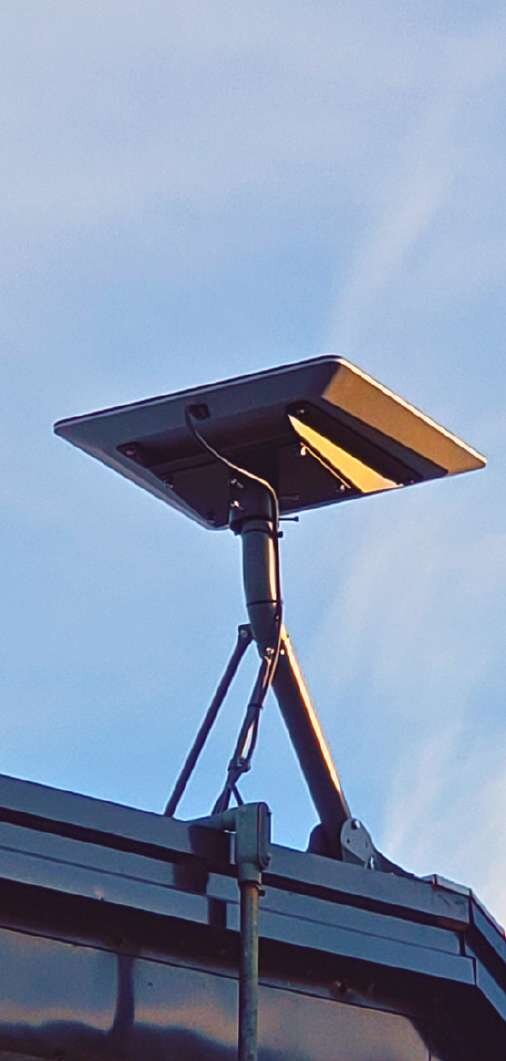
Holland Hospital adds Starlink + 5G failover with Metro Wireless
Read moreYour story could be next
Want results like these?
Every result on this page started with one conversation — let's have yours.